
Does your skin feel tight, irritated, or suddenly sensitive even after applying moisturiser? These can be signs of a damaged skin barrier. Skin barrier repair focuses on restoring moisture, supporting the skin’s protective layer, and preventing further irritation. This guide covers the natural ways to support skin recovery, the ingredients and products that help, common mistakes to avoid, and when to get medical advice.
Key takeaways:
– Simple home remedies and daily habits that support skin barrier recovery.
– Ceramides, glycerin, petrolatum, and colloidal oatmeal help in the skin barrier repair process.
– Choose products that suit your skin type.
– Avoid over-exfoliation, harsh cleansers, and products that trigger irritation.
– Don’t blindly trust viral DIY remedies or influencer products.
– Recovery time varies by person. Severe symptoms may require medical advice.
What is the skin barrier, and how do you find out if it is damaged?
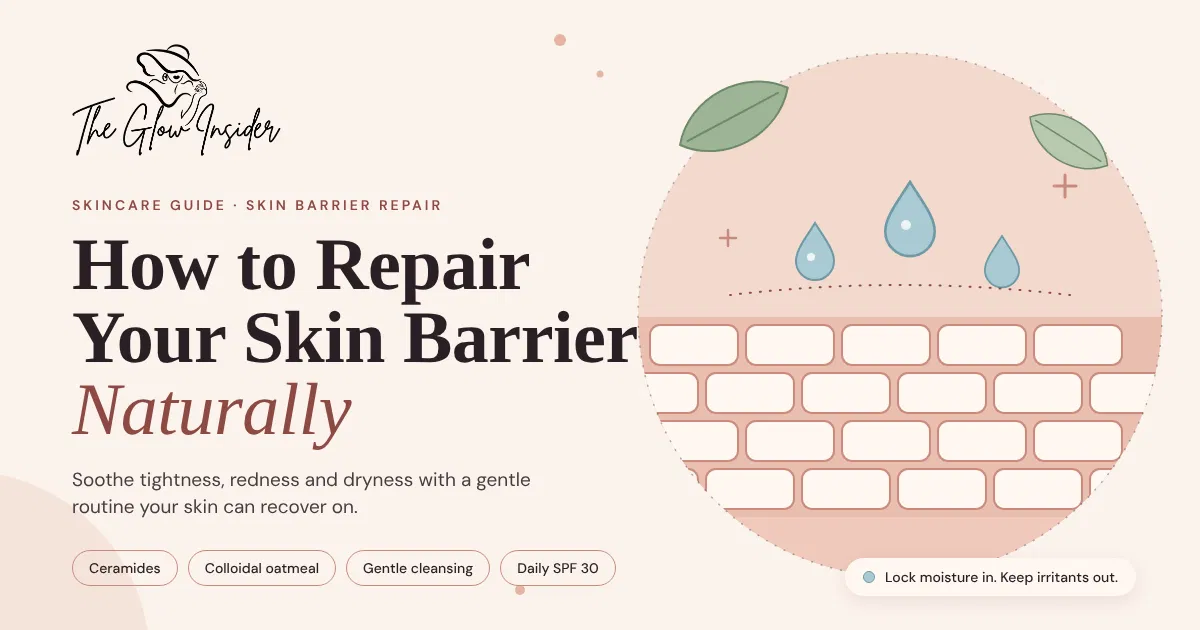
Your skin barrier is the outermost layer of your skin. It is made of skin cells attached closely by lipids such as ceramides, cholesterol, and fatty acids. It keeps moisture in and irritants away.
If your skin barrier is damaged, you may notice:
- Skin tightness, mainly after washing
- Dryness, flaking, or rough patches
- Redness, stinging, or a skin-burning feeling when you apply products
- Increased skin sensitivity to products you used before
- Itching
Common causes that damage the skin barrier are:
- Over-exfoliating
- Harsh cleansers
- Using hot water
- Too many active ingredients
- Sun exposure
- Cold or dry weather.
How to Repair Your Skin Barrier at Home Naturally
You can repair your skin barrier naturally at home. The important part is to keep your routine gentle and give time to your skin to recover by following a few steps.
Moisturise while your skin is still damp:
After your shower, don’t dry your skin completely. Just pat it gently with a towel and put on moisturiser while it’s still a little damp. Your skin holds on to moisture better this way.
Look for a fragrance-free cream with ceramides. If your skin starts feeling tight later, apply a little more. Keep it simple. A good moisturiser is enough for this step.
Try colloidal oatmeal for dry and irritated skin:
Colloidal oatmeal is finely ground oats that are used in skincare products. It helps to soothe your dry, itchy, and irritated skin. Formulated colloidal oatmeal products can promote hydration and strengthen the skin barrier.
Search for creams, lotions, or bath products specially made with colloidal oatmeal. Ordinary oatmeal from your kitchen is not the same as these skincare formulations. If you are allergic to oats, then avoid using oatmeal-based products. They may cause an allergic reaction.
Choose suitable natural oils for your skin:
Some plant oils soften dry skin and help reduce moisture loss. But natural does not mean it is suitable for every skin type.
In a small study, sunflower seed oil improved skin hydration without weakening the skin barrier. Olive oil, tested in the same study, weakened the barrier. This suggests that different plant oils can affect the skin in different ways. (Study done by: clinical and laboratory investigation, published in September 2012)
Coconut oil is used as an emollient for dry skin. But its heavy texture may not suit everyone.
If oil-based products cause breakouts for you, then avoid coconut oil. If you want to try a natural oil, choose a product that suits your skin type. Before using, do a patch test. Stop using it if you notice irritation.
Follow gentle cleansing and bathing habits
Washing your face several times a day or spending too long in a hot shower can leave your skin dry. Harsh soaps and scrubbing make it worse, particularly when your skin is already irritated.
A few things are worth changing:
– Keep the water warm, not hot.
– Wash your face morning and night, and after sweating.
– Pick a cleanser that doesn’t leave your face feeling dry or tight.
– Use your fingertips to wash your face. Leave the scrub and rough washcloth aside.
When you finish, gently press a towel against your skin to soak up the water. Don’t rub it back and forth.
Protect your skin from further damage:
Sun, cleaning products, and dry indoor air can make your irritated skin difficult to manage. A few precautions may help reduce these triggers.
- Apply a broad-spectrum sunscreen with SPF 30 to avoid UV damage
- Wear gloves while cleaning. This reduces direct contact with irritants.
- Use a humidifier in dry weather or air-conditioned rooms
- Apply a cool compress on the itchy area for a few minutes. This soothes the skin without scratching or making it worse.
These steps protect your skin from extra stress. If you have an underlying skin condition, these habits support your treatment but do not replace it.
Can food and vitamins support skin barrier health?
Yes. What you eat inside will reflect on the outside of your skin. Include protein, fruits, vegetables, nuts, and seeds in your meals. Healthy fats are important as well. And don’t forget to drink enough water throughout the day.
Some nutrients have specific roles in skin health:
- Vitamin C: Supports your collagen production and helps to protect cells from oxidative stress.
- Vitamin E: Acts as an antioxidant that helps to protect cells from damage.
- Zinc: Supports normal skin function and wound healing.
- Healthy fats: Provide essential fatty acids that support normal skin function.
Still, there is no specific food or vitamin that can repair a damaged skin barrier overnight. The evidence of using dietary supplements for skin barrier repair is limited. Focus on meeting your nutritional needs through food. Speak with a healthcare professional before taking any supplements.
What Skin Barrier Repair Products Should You Use?
The best skin barrier repair products are the ones that suit your skin type and treat your damaged and irritated skin. You do not need every product. Choose a product that suits your skin and your skin concern.
Ingredients and products to look for
Note: The products and ingredients mentioned here are highly recommended by dermatologists and certified cosmetologists Dr. Priyanka Reddy and Dr. Hina Boghani.
Product disclosure: The products mentioned here are not affiliate or sponsored.
| Product type | Ingredients to look for | How they help | Dermatologist-recommended products |
| Skin barrier repair cream | Ceramides, cholesterol, fatty acids | Support the skin’s protective lipid barrier and reduce dryness. | Dermalogica Stabilizing Repair Cream |
| Hydrating serums | Glycerin, hyaluronic acid | Attract water to the skin and improve hydration. | The Ordinary Soothing & Barrier Support Serum |
| Soothing creams and serums | Panthenol, colloidal oatmeal, centella asiatica | Help soothe dry, irritated, and uncomfortable skin. | La Roche-Posay Cicaplast Balm B5+ |
| Occlusive balms | Petrolatum, dimethicone | Form a protective layer that slows moisture loss. | Aquaphor Healing Ointment; CeraVe Healing Ointment |
How to Layer Skin Barrier Repair Products: Morning and Night Routine
Check the table to understand the AM and PM routine for skin barrier repair.
| Step | Morning routine | Night routine |
| 1. Cleanse | Use a gentle cleanser. Rinse with water if your skin is very dry and does not need a full cleanse. | Use a gentle cleanser to remove sunscreen, makeup, and daily dirt. |
| 2. Serum (optional) | Apply a hydrating serum containing glycerin or hyaluronic acid. | Apply a soothing serum containing panthenol or centella, if needed. |
| 3. Moisturise | Apply a barrier moisturiser containing ceramides and other moisturising ingredients. | Apply your barrier moisturiser to support hydration overnight. |
| 4. Protect or seal | Finish with broad-spectrum sunscreen with SPF 30. | Apply a thin layer of an occlusive balm to particularly dry areas, if needed. |
Important: You do not need to buy a separate product for every step. A gentle cleanser, moisturiser and sunscreen that suits your skin is enough. Serums and occlusive balms are optional.
Common Mistakes to Avoid During Skin Barrier Repair
A damaged skin barrier needs time to recover. When your skin barrier is damaged, even your usual skincare routine can start causing trouble. Products you once used without any issues may now leave your skin feeling irritated. Give your skin a break from anything that makes it worse and let it recover.
Over-Exfoliating Your Skin
Exfoliating too often can weaken an already damaged skin barrier. Physical scrubs and chemical exfoliants such as AHAs, BHAs, and PHAs remove dead skin cells. But using these excessively can damage skin barrier more. Avoid rough scrubs, exfoliating brushes, and frequent peeling treatments during skin barrier repair.
Using Too Many Active Ingredients
The regular products that you use may also start irritating if your skin barrier is damaged. Retinol, vitamin C, and exfoliating acids can be too much to handle. Especially when you use all in the same routine. If your face is already red, dry, or stinging, those products could increase the irritation.
Pause the products for now. Wash your face gently, use your regular moisturiser, and apply sunscreen during the day. Once your skin feels normal again, add your active ingredients back again slowly.
Washing Your Face with Hot Water or Harsh Cleansers
Hot water can leave your skin feeling dry, especially if you spend a long time in the shower. The same goes for cleansers that make your face feel tight after washing. Keep the water lukewarm and pick a fragrance-free cleanser that feels comfortable on your skin after washing.
Ignoring Products That Cause Irritation
You may have a moisturiser that you’ve used for years. But now, every time you apply it, your skin starts burning or itching. It can happen when your skin barrier is damaged. Fragrance and essential oils can also irritate your skin.
If a product doesn’t feel right, stop using it for now. Don’t force your skin to get used to it. Even a moisturiser labelled for sensitive skin may not work for you.
Skipping Moisturiser and Sun Protection
Skipping moisturiser can allow more water to escape from your skin, making dryness and skin tightness worse. Sun exposure can also add stress to an already irritated skin barrier.
Apply a suitable moisturiser regularly to help maintain hydration. During the day, use a broad-spectrum sunscreen with SPF 30. These steps help protect your skin while it recovers.
Which Skincare Ingredients Should You Pause During Recovery?
Not every active ingredient needs to be avoided permanently. However, some ingredients can increase irritation when your skin barrier is damaged. Consider pausing the following until your skin feels comfortable again
| Ingredient | Why you may need to pause it |
| Retinol and retinoids | May cause dryness, peeling, and irritation, particularly when introduced too quickly. |
| Glycolic acid and lactic acid (AHAs) | Exfoliate the skin and may increase stinging or irritation. |
| Salicylic acid (BHA) | Can cause dryness and irritation, especially with frequent use. |
| Benzoyl peroxide | May cause dryness, redness, and peeling. |
| Strong vitamin C formulations | Some formulations may sting or irritate sensitive skin. |
| Physical exfoliants | Scrubbing can worsen irritation and damage the skin’s already sensitive surface. |
You do not have to avoid these ingredients forever. Once your skin feels comfortable and shows fewer signs of irritation, you can reintroduce suitable products one at a time. Start slowly and watch for any reaction. If you use prescription skincare, check with your dermatologist before stopping or changing it.
Will Every Skin Barrier Repair Product Suit Everyone?
No. The right skin barrier repair products depend on your skin type, sensitivity, and level of dryness. A rich cream may work well for dry skin but feel too heavy on oily skin. Also, products with fragrance or strong active ingredients may irritate sensitive skin.
Instead of choosing products based only on popularity, look for formulas that match your skin’s needs.
Best Product Types for Dry Skin
Dry skin often needs richer products that help reduce moisture loss. Look for a skin barrier repair cream with ceramides, glycerin, hyaluronic acid, or shea butter. These ingredients help maintain hydration and support the skin’s protective barrier.
If your skin feels extremely dry, a thin layer of a petrolatum-based ointment over your moisturiser may help lock in moisture. Avoid products that leave your skin feeling tight or uncomfortable.
Best Product Types for Oily and Acne-Prone Skin
Heavy creams may feel uncomfortable on oily skin, especially if you are prone to breakouts. Choose lightweight, oil-free, or non-comedogenic moisturisers instead.
Look for ingredients such as glycerin, hyaluronic acid, and ceramides. They help hydrate your skin without requiring a thick formula. Avoid skipping moisturiser altogether. Oily skin still needs hydration to maintain a healthy skin barrier.
Best Product Types for Sensitive Skin
Sensitive skin needs gentle formulas with fewer potential irritants. Choose fragrance-free moisturisers with ingredients such as ceramides, colloidal oatmeal, and panthenol.
Avoid products with strong fragrances, essential oils, or multiple active ingredients if they trigger skin sensitivity. Before adding a new product to your routine, test it on a small area of skin and watch for irritation.
Best Product Types for Combination Skin
Combination skin has both oily and dry areas, so one product may not feel equally comfortable everywhere. A lightweight moisturiser with ceramides and glycerin can work as a starting point.
You can also apply a richer skin barrier repair cream to dry areas, such as your cheeks, while using a lighter moisturiser on your T-zone. Adjust the amount based on how each area feels instead of applying several products all over your face.
Should You Trust Viral Skin Barrier Repair Hacks and DIY Face Packs?
Not every viral skincare tip is safe or effective. Many DIY face packs on social media use kitchen ingredients like lemon juice, baking soda, apple cider vinegar, toothpaste, or sugar scrubs. These can worsen your skin, especially when your skin barrier is already damaged.
- Lemon juice and apple cider vinegar are highly acidic and can sting, dry out, and irritate the skin. Lemon juice can also cause dark patches or burns when your skin is exposed to sunlight.
- Baking soda is very alkaline. It can disturb your skin’s natural pH, which the skin barrier needs to work properly.
- Toothpaste contains ingredients that can dry and irritate the skin.
- Sugar and salt scrubs have rough edges that can worsen redness and sensitivity.
- Undiluted essential oils are a common cause of allergic reactions and contact dermatitis.
Even gentler ingredients like oats or honey are not the same as skincare products made with them. Homemade mixtures have no controlled concentration, can spoil quickly, and may contain ingredients you’re allergic to. Natural does not always mean gentle.
Before you try a viral skin barrier repair hack, check whether there’s reliable evidence behind it. A simple routine with a gentle cleanser, a fragrance-free moisturiser, and sunscreen is safer than experimenting with kitchen ingredients. If you still want to try a natural ingredient, choose a properly formulated product and do a patch test first.
How Long Does Skin Barrier Repair Take?
Skin barrier repair does not happen overnight. Mild damage, such as dryness after over-exfoliating, can start to feel better within a few days of changing to a gentle routine. Most people notice clear improvement in 2–4 weeks. Severe damage, or damage linked to a skin condition such as eczema, can take longer.
There is no fixed timeline for everyone. Focus on removing the trigger, keeping your skin hydrated, and giving it time to recover.
What Affects Skin Barrier Recovery Time?
Several factors can influence how quickly your damaged skin barrier heals:
- Level of damage: Mild dryness may improve within days, while severe irritation can take several weeks or longer to settle.
- Cause of damage: Over-exfoliation or harsh skincare products may improve once you stop the triggers. Underlying conditions such as eczema or rosacea may need medical treatment.
- Skincare routine: Gentle cleansing, regular moisturising, and daily sun protection can support skin barrier recovery.
- Skin type and sensitivity: Dry and sensitive skin may need extra care to manage moisture loss and irritation.
- Product irritation: Continuing to use products that cause burning, redness, or peeling can delay recovery.
Avoid rushing the process by adding more active ingredients or trying multiple skin barrier repair products at once. A consistent, gentle routine is more useful than frequently changing products.
Signs Your Skin Barrier Is Healing
You may notice gradual changes in your damaged skin barrier as your skin barrier recovers. Look for these signs:
- Less tightness: Your skin feels more comfortable after washing and throughout the day.
- Reduced redness: Irritated areas look calmer and less inflamed.
- Less dryness and flaking: Your skin feels smoother and no longer peels as often.
- Improved hydration: Your skin feels softer and holds moisture better after applying moisturiser.
- Reduced sensitivity: Products that previously caused mild stinging may become more comfortable to use.
Remember that these signs do not confirm complete skin barrier recovery. If irritation, itching, or redness continues despite a gentle routine, consult a dermatologist. Persistent symptoms may have another cause that needs treatment.
When Should You See a Doctor?
Mild skin barrier damage may improve with gentle skincare and consistent moisturising. But if your skin is damaged, bleeding, or cracking, seek medical assistance immediately to support skin healing.
Consult a dermatologist if you notice any of the following:
- Persistent redness or irritation: Your skin remains red, itchy, or inflamed despite following a gentle skincare routine.
- Severe burning or pain: Your skin burns, stings, or feels painful even when you apply a basic moisturiser.
- Cracked or bleeding skin: Deep cracks, open sores, or bleeding may need medical treatment.
- Swelling or oozing: Swelling, fluid discharge, or crusting can indicate infection or another skin condition.
- Symptoms that keep returning: Your skin barrier damage improves but repeatedly comes back.
- No improvement: Dryness, flaking, and skin sensitivity continue or worsen despite avoiding irritating products.
Conditions such as eczema, rosacea, and contact dermatitis can cause symptoms similar to a damaged skin barrier. A dermatologist can identify the underlying cause and recommend suitable treatment.
Do not rely only on skin barrier repair creams or home remedies if your symptoms are severe or persistent. Seek medical advice rather than continuing to experiment with skincare products.
Frequently Asked Questions
How Do I Repair My Skin Barrier Fast?
You cannot repair your skin barrier overnight. Use a gentle cleanser and a moisturiser with ceramides or glycerin. Apply broad-spectrum sunscreen with SPF 30 during the day. Pause products that irritate your skin.
Can a Damaged Skin Barrier Heal on Its Own?
Yes. Mild skin barrier damage can heal once you stop the cause of irritation. Use gentle skincare and moisturise regularly. See a dermatologist if symptoms persist or worsen.
Can Niacinamide Repair a Damaged Skin Barrier?
Yes. Niacinamide can support the skin barrier by helping maintain ceramide levels. It may also reduce moisture loss. Start with a gentle formula because it can irritate some skin types.
Is Vaseline Good for Skin Barrier Repair?
Yes. Vaseline contains petrolatum, which helps prevent moisture loss. Apply a thin layer over your moisturiser. It protects the skin but does not add moisture.
Can Coconut Oil Repair a Damaged Skin Barrier?
Coconut oil can soften dry skin and reduce moisture loss. However, it may not suit acne-prone or sensitive skin. A moisturiser with ceramides is another option.
What Vitamins Help Support Skin Barrier Health?
Vitamins A, C, and E, along with zinc and healthy fats, support normal skin function. But extra vitamins do not guarantee faster skin barrier repair. A balanced diet is usually enough to meet your nutritional needs.
How Do I Know If I Have Ruined My Skin Barrier?
Your skin may feel tight, dry, or flaky. You may also notice redness, itching, or irritation after applying skincare products.
Final Thoughts:
A healthy skin barrier starts with a simple, consistent skincare routine. Choose products that suit your skin type, pause irritating ingredients, and give your skin time to recover. Skin barrier repair is not about using more products; it is about using the right ones. Beware of viral DIY hacks and influencer-led products. If your symptoms are severe or don’t improve, see a dermatologist immediately.
Disclaimer: This article is for general information and is not a substitute for medical advice.
Explore Glowinsider skincare guides to make better choices for your skin.


