Medicated shampoo for itchy scalp: That itchy feeling may even cause serious problems at an extreme level. There are several reasons behind it. But this could also be due to your regular shampoos. There are also different shampoos that suits for different scalp types.
So, before buying a medicated shampoo for itchy scalp, finding your scalp type is very important. Continue reading to know the simple ways to reduce your itchy scalp and give right scalp treatment.
Why does your scalp itch, and why shampoos do not work?
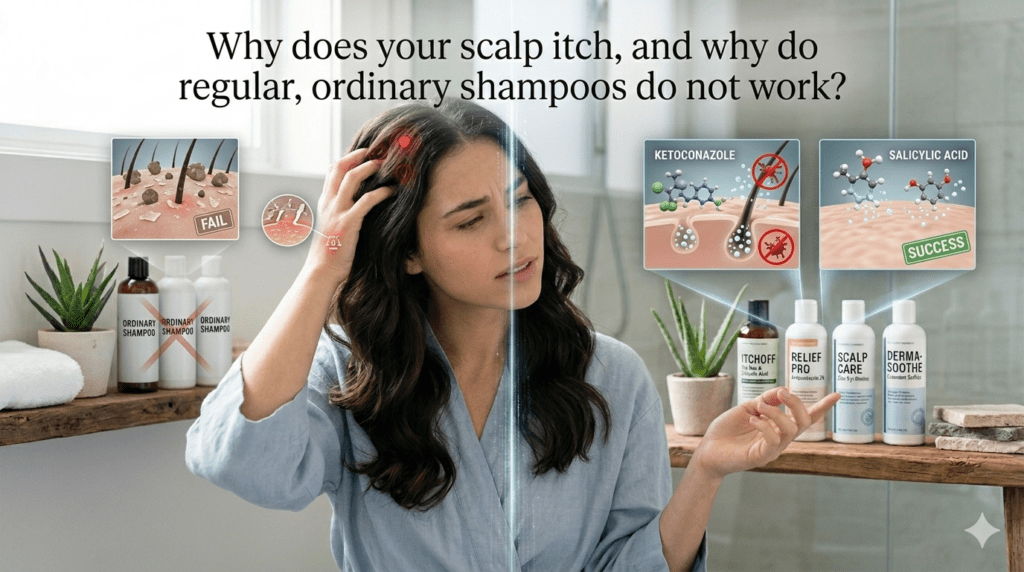
Why does your scalp keep on itching even after so many of washes? Many thinks like it is just a dandruff, what is so big in that? This is very common to everyone. But many don’t know that all dandruff is not same.
There are different patterns of dandruff. Fungal dandruff is developed by Melassezia yeast, which is naturally present on the scalp. When the scalp’s natural oil imbalances, it starts to grow. Causing irritation and dandruff on the scalp. Dry skin dandruff is developed by Dryness, cold weather and excessive shampoo washing, which results in powdery flakes. Stress-related dandruff develops when emotional or physical stress imbalances naturally the oil is produced on the scalp, which results in dandruff.
Each pattern of dandruff triggers different type of problems. The problem gets even worse with the use of regular, ordinary shampoos. Regular shampoos are made in such a way to cleanse your hair, but your itchy scalp needs a proper scalp treatment where medicated shampoo for itchy scalp are made to solve those problems specifically.
Many regular shampoos contain strong surfactants that strip out the natural oils, causing dryness, damaging the scalp barrier and later end in dandruff. This is why the itching continues even after frequent washing, and that is why targeted, medicated shampoo for itchy scalp are often more effective than using ordinary cleansing products.
How Medicated Shampoos Actually Relieve Itch?
An itchy scalp is never caused without a reason. It actually begins when the scalp’s natural balance is disturbed by excessive oil, dryness, fungal infections, or stress. The scalp becomes irritated and sensitive when the natural oils from the scalp are not restored.
Regular shampoos just clean the scalp from dirt and oil, but they will not treat the problem that is created. This is the reason why the itching sensation always comes back even after frequent washes. But Medicated shampoo for itchy scalp work differently. because they are designed with a formulation to solve the specific scalp issues.
They not only cleanse the scalp but also help in controlling fungal growth, reducing excess oil, and soothing irritation. Medicated shampoo for itchy scalp actually work to restore the scalp’s natural balance. When the scalp barrier is back to health, the itching sensation goes away, flaking slows down, and the scalp feels comfortable, fresh and relieved.
How the Right Ingredients Soothe Your Scalp?
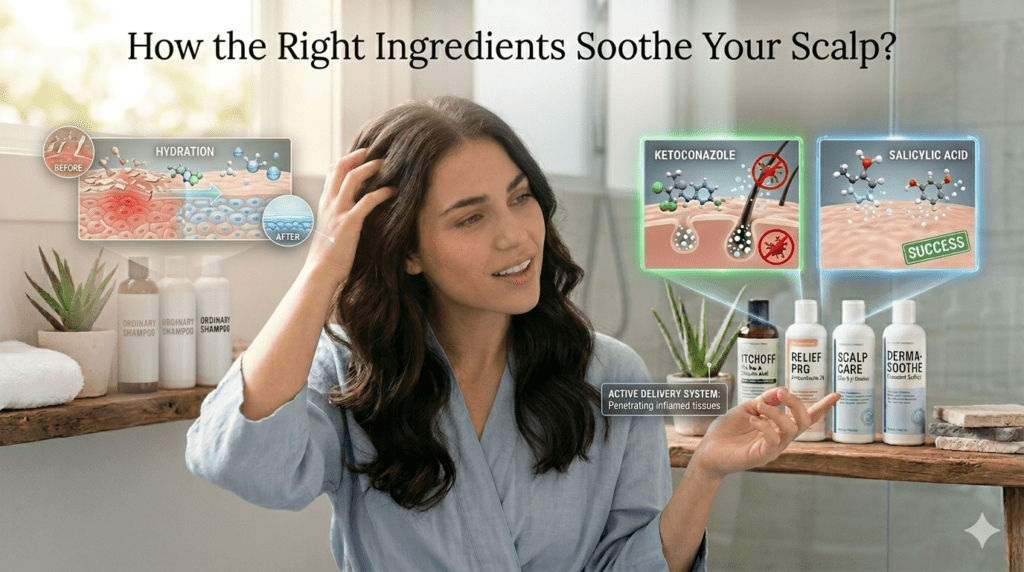
Research have found that a combination of specific ingredients is very effective in treating the scalp. Ingredients such as ketoconazole and zinc work in controlling the growth of fungus, which is an important reason for dandruff and itchy on the scalp. Salicylic acid does this by breaking down the flaky skin and dead cells, which provides a way for proper air circulation on the scalp.
Tea tree oil is a natural component that calms the scalp and prevents irritation and redness. Some medicated shampoo for itchy scalp also contain mild moisturising components that help to prevent drying of the scalp. When these components are combined in the right proportions, they not only clean your hair, but they also help to treat scalp conditions. Regular use of the right formula can make a world of difference in the comfort and health of your scalp.
Why Consistency is important?
It is a common expectation that relief is to be felt immediately after using a medicated shampoo for an itchy scalp, even after just one application. However, scalp issues do not resolve by themselves within hours. Fungal development, oil imbalances, and dryness require time to develop; thus, they also require time to correct.
In some cases, medicated shampoo can be used to treat the itchy scalp. However, they will not be able to solve the problem. The main reason for using medicated shampoo for itchy scalp is to provide relief to the scalp.
The medicated shampoo for itchy scalp will help in regulating the dandruff, inflammation, and protecting the scalp. Sometimes, irregular skipping of washing or switching between products may go against this. It’s almost like taking care of one’s skin, where regular effort, not irregular, is needed.
What to Look, When Choosing a Shampoo for Itchy Scalp?
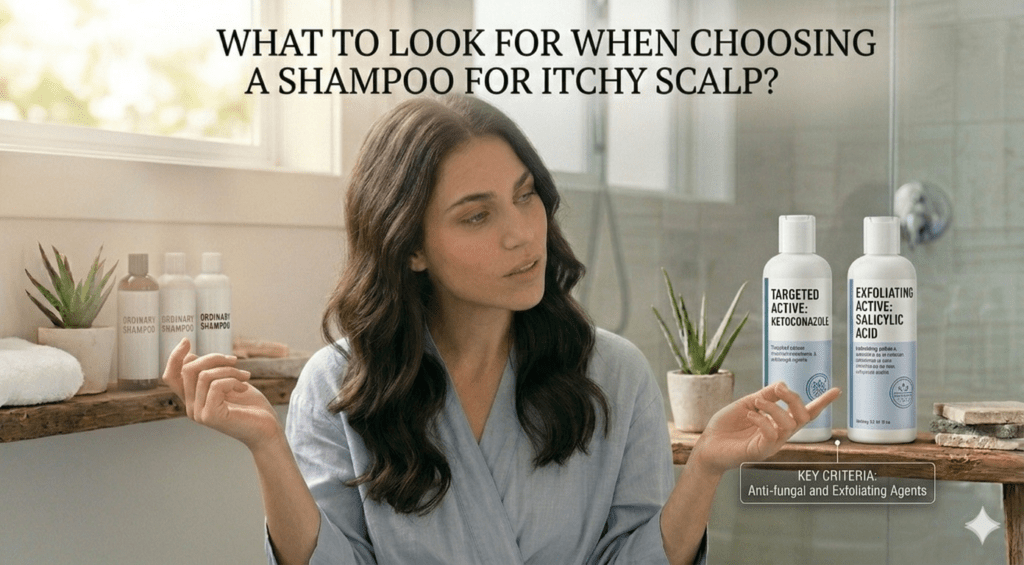
Choosing the right medicated shampoo for itchy scalp is more important than just choosing a famous brand. To start with the scalp treatment, first you need to understand your scalp type. For example, if your itchy scalp is caused by fungal dandruff, you should look for a shampoo that has ingredients like ketoconazole and zinc, which control the production of yeast.
On the other hand, if your itchy scalp is caused by dryness, you should look for a medicated shampoo for itchy scalp that has ingredients that moisturise and calm your scalp. It is also important to note that when choosing a medicated shampoo for itchy scalp, you should look for a product that treats the cause of the problem and not just the surface oils. Additionally, you should look for products that do not have harsh cleansers, which can further irritate your scalp.
Identify Your Scalp Pattern
Before you choose medicated shampoo for itchy scalp, first identify the type of problem that your scalp is experiencing. By now, you know that all dandruffs are not the same, so using the wrong shampoos for the wrong problems can actually worsen the situation. Once you have identified your problem, then choose the right medicated shampoo for itchy scalp problem.
Fungal scalp: If you have yellow flaking and an oily scalp, you will need to look for products that contain piroctone olamine and charcoal.
Dry scalp: If you have fine and powdery flaking, you will need to alternate between an anti-dandruff shampoo and a moisturising shampoo and mask.
Stress-related dandruff: If you have dandruff due to emotional or physical stress, you will need to use a gentle anti-dandruff shampoo in combination with regular scalp massage to increase circulation.
Choosing the right treatment will make sure that your medicated shampoo for itchy scalp will work effectively rather than making your scalp condition worse.
Check the Active Ingredients
While selecting the medicated shampoo for itchy scalp, it is important to check the presence of the ingredients in the shampoo. The ingredients will help you understand whether it is only cleaning the scalp or resolving the issue of the dandruff pattern.
Antifungal agents: Ketoconazole and selenium sulfide work by controlling the growth of fungus, which is the primary cause of itching.
Soothing and anti-inflammatory agents: Tea tree oil, aloe vera, salicylic acid, and neem work to reduce inflammation and itching.
Moisturising agents: Ceramides and oils in the shampoo work to repair the scalp and prevent it from drying.
The right combination of the above ingredients will help to choose the right medicated shampoo for an itchy scalp, providing long-term relief. Instead of providing temporary relief, it will help in balancing and reducing from the frequent itching condition and treat the scalp.
Avoid Harmful Ingredients
Sometimes, the issue is not what you are missing, but it is what you are using. Some of the ingredients in your ordinary, regular shampoos can develop your scalp irritation. If you want to get rid of irritation, your itching shampoo should not have the harsh ingredients that worsen your situation.
- Avoid harsh ingredients that disturb your scalp barrier, which removes natural oil.
- Use less parabens and fragrance, as they can make your scalp more sensitive.
- Avoid using heat styling tools, hair sprays, and heavy products that can irritate your scalp by building up.
- Even the best itchy scalp shampoo won’t be effective if you’re using irritating products with it.
Frequency & Routine
How to use shampoo for an itchy scalp correctly is just as important as choosing the right shampoo. Washing your scalp frequently makes your hair dry and removes natural oils, whereas if you leave it without washing, oil and fungus start to build up. So it is important to balance both.
- For fungal dandruff, use itching scalp medicated shampoo two or three times a week as guided in the package
- For dry dandruff, mix antidandruff medicated shampoo with a moisturising formula to keep your scalp moisturised.
- For stress dandruff, maintain a regular haircare routine, and include scalp massage to increase blood circulation.
Stop changing your shampoo frequently, saying this is not giving results. Start using consistently. If the routine matches your scalp type, the itching will decrease, and the scalp health will improve.
Top Medicated Shampoos for Itchy Scalp (Dermatologist Recommended)
Choosing the right medicated shampoo for itchy scalp can make a visible difference in comfort and scalp health. As same like dandruff, not all ingredients are same. That is why selecting the right ingredient for your problem is important.
If you have fungal dandruff, look for ingredients like ketoconazole or selenium sulfide because they will help in controlling the growth of yeast. If you have oily scalps, look for ingredients like piroctone olamine and charcoal because they are effective in absorbing excess oils in the scalp, which helps in reducing flaking.
If you have a dry scalp, which is the root cause of itchiness, you should select medicated itchy scalp shampoos that contain moisturising ingredients such as ceramides or natural oils. If you have sensitive scalps, then look for fragrance-free and sulfate-free shampoos which works best in providing relief from irritation without removing the scalp’s moisture.
These medicated shampoos for an itchy scalp solve the root cause, and not just the symptoms. By using the right medicated shampoo consistently, it is possible to reduce the itchiness, irritation, and dandruff that restore balance to the scalp.
Best Overall Anti-Itch Shampoo
If you are looking for a balanced and multi-ingredient solution, then Bare Anatomy Anti-Dandruff Shampoo and Scalpe Pro Anti-Dandruff Shampoo are the best options. These shampoos are a great fit for oily and fungal scalp conditions.
The ingredients of these shampoos combine antifungal ingredients with calming elements that will help in reducing flaking and irritation. This medicated shampoo for itching will be a great fit, if you have dandruff coming again and again, even after using your regular shampoo.
This multi-ingredient formula helps in reducing the inflammation. Using this medicated shampoo for itchy scalp consistently can prevent you from frequent itching and maintain healthy scalp.
Best Dandruff-Fighting Shampoo
If you are suffering from hard dandruff that keeps coming back again and again due to fungal growth, then you need a product that is more powerful. Redken Scalp Relief Dandruff Control Shampoo and products containing ketoconazole or selenium sulfide are mainly designed for individuals with oily or fungal scalps.
These products contain ingredients that control the growth of Malassezia yeast on the scalp, which is the root cause of flaking and itching. This medicated shampoo for itchy scalp is particularly good when flaking occurs quickly after shampooing. This shampoo works best in treating the root cause of dandruff.
It is recommended to leave the medicated shampoo for itchy scalp for a few minutes before rinsing for better results. They are particularly helpful for individuals whose dandruff fails to respond to gentle products.
Best Dry Scalp Relief Shampoo
If you are suffering from itching due to your dry scalp, then hydration should be given the first priority. If you are looking for a gentle and moisture-focused formula, then your Best Dry Scalp Relief Shampoo, likeWishcare AHA BHA Anti-Dandruff shampoo, has all these formulations. This shampoo focuses on dry scalp patterns.
This type of medicated shampoo for itchy scalp works best by combining mild cleansing agents with nourishing ingredients that help in repairing the scalp barrier. Instead of removing oil with strong force, it maintains balanced moisture and reduces irritation of the scalp.
For a dry scalp, you can also use an anti-dandruff shampoo and a moisturising shampoo alternatively. Scalp masks or conditioners are also available. Cold weather and frequent washing of your hair can make a dry scalp worse. An anti-dandruff shampoo can relieve an itchy scalp. Moisturising shampoos are best for people who have flaky scalps but not oily scalps.
Best Sensitive Scalp Shampoo
If you are having a sensitive scalp, then it requires extra care, because here irritation is triggered by heavy fragrances, harsh surfactants and product buildup. Sebamed Anti Dandruff Shampoo, andSchwarzkopf Bonacure Scalp Soothing Shampoo.
These medicated shampoo for itchy scalp formulations are designed in such a way specifically targeting the sensitive scalp. Patterns of sensitive scalps can also combine with stress-induced dandruff. A mild medicated shampoo for an itchy scalp can be used. The shampoo should not contain harsh ingredients that could worsen the redness and irritation.
It is always best to opt for products that have the right ingredients and are dermatologically tested. It is also important to avoid using thick styling sprays and heating tools that can increase sensitivity. This will be most effective for people who tend to react quickly to new products or have scalp irritation without excessive flaking.
Best Natural Tea Tree Shampoo
If you are looking for a plant-based hair care shampoo with actual benefits, a tea tree oil medicated shampoo for itchy scalp may work for you if you have oily or fungal scalp patterns. Tea tree oil has actual antifungal and soothing properties that can help reduce itchiness and mild flaking. Some of these include Mama Earth Tea Tree Anti-Dandruff Shampoo, Pilgrim Australian Tea Tree Non-Drying Anti-Dandruff Shampoo, and De Fabulous India Tea Tree Oil Shampoo.
This type of medicated shampoo for itchy scalp is ideal for those who want plant-based ingredients and actual scalp care. It can also work for stress-related dandruff if used consistently. Tea tree oil shampoos generally have a cooling effect, which calms the irritated scalp. It provides a temporary relief.
These medicated shampoo for itchy scalp are less harsh than ketoconazole shampoos, making them more suitable for people with moderate fungal dandruff than those with severe fungal dandruff. These medicated shampoo for itchy scalp will help in keeping the scalp clean without stripping out its natural oils.
Best Budget-Friendly Itchy Scalp Shampoo
You don’t have to spend a lot on products for actual relief.Dove Anti-Dandruff Shampoo is easily available and is good for mild oily or stress-related scalp issues. It contains simple anti-dandruff ingredients and moisturising ingredients, so you can use it daily.
This shampoo for an itchy scalp is the best if you have occasional flaking and itching, but don’t require heavy medicated treatment. It won’t cure severe fungal buildup, but it will help in keeping the scalp clean and reducing visible flakes.
Cheap options are a good starting point before moving to stronger ones. To get the best results, use it regularly and don’t use it with harsh styling products.
Best Premium Scalp Care Shampoo
For recurring or regular scalp issues, high-quality shampoos such as Kerastase shampoo provide advanced scalp care with a luxurious experience. These shampoos combine multiple key ingredients with effective conditioning ingredients to address both the scalp and hair. They are most suitable for oily, stressed, or combination scalps that require balanced maintenance.
A good medicated shampoo for an itchy scalp should be able to fix the scalp’s barrier with the use of antifungal or soothing components. Medicated shampoos can also work to enhance the quality of one’s hair, making them ideal for those who seek to address their condition while also seeking cosmetic improvements.
They are more expensive and premium, but they are designed in such a way to give long-term scalp maintenance. If the itching continues even after using basic treatments, then a high-quality medicated shampoo can be considered.
How to use medicated shampoos to get maximum relief?
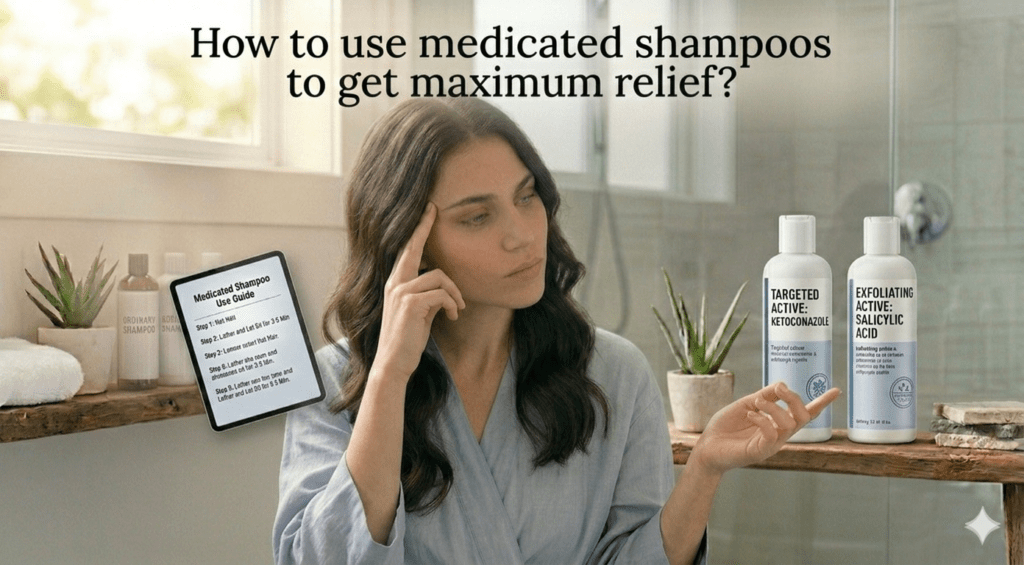
Even the best shampoo will not work if your routine is wrong. An itchy scalp medicated shampoo helps in cases of fungal growth, dryness, or inflammation, but you will notice actual results only when you use it properly.
Rinsing the hair too early or not using medicated shampoo often as required reduces the medicated shampoo’s effectiveness. Medicated shampoos are treatment-oriented and not just a cleaner like other shampoos. They require time and actual exposure to the scalp to be effective. Too much shampoo may irritate the scalp, while too little may not effectively control the dandruff.
So, first understand the type of scalp you have and use a medicated shampoo for an itchy scalp properly, which can help to balance your scalp, reduce flakes, and soothe irritation, resulting in healthy scalp treatment.
Step-By-Step Routine
- Use the right amount of medicated shampoo depending on the condition of your scalp.
- Wet your hair thoroughly before applying the shampoo. Take the requires amount of shampoo.
(Note: Apply only on the scalp; avoid applying to the hair)
- Massage your scalp with your fingertips for 3-5 minutes to increase blood flow to your scalp and distribute the shampoo evenly.
(Note: Massaging helps to increase blood circulation, which also results in hair growth)
- Leave the shampoo on your scalp for another 3-5 minutes after you massage i,t or follow the instructions given on the packaging.
(Note: Keeping for 3-5 minutes helps the shampoo work effectively)
- Rinse it off with lukewarm water, as hot water can dry out your scalp. If your scalp is dry, you can use a moisturising shampoo throughout the week.
(Note: Avoid using a hairdryer frequently. Dry your hair in a fan or natural air.
Common Mistakes to Avoid
Even doing one wrong thing while using a medicated shampoo for an itchy scalp can slow down its effectiveness or even worsen the irritation. Let’s break down that,
- People often wash their hair too frequently, especially if their scalp is oily. Over-washing can strip the scalp of its natural oils, leading to even more dryness or oiliness.
- Using products that do not mix well together, such as antifungal shampoos that are very strong and thick styling sprays, can damage the scalp’s protective barrier and make the medicated shampoo less effective.
- Rinsing the shampoo too quickly without letting it sit on the scalp for a few minutes can make the medicated shampoo less effective.
When to See a Dermatologist?
Are you experiencing a flaky, itchy scalp, hair falling down while itching or bleeding? Then don’t wait, rush to medical assistance. A medicated shampoo can be used to treat dandruff and fungal infections, but it is not a solution for all scalp problems.
If you notice red skin, bleeding from scratching, painful skin, or unusual hair loss, it may be more than dandruff. It could be conditions such as psoriasis, severe seborrheic dermatitis, or a scalp infection that requires prescription drugs. Another indication that it could be more than dandruff is if you do not improve after four weeks of using medicated shampoo as directed.
If your itchy scalp continues or worsens, even with the proper routine, consult a dermatologist. Seeking professional care does not mean you are not following your routine; it means you will receive proper care for your scalp.
Final Thoughts:
Your scalp itch doesn’t have to rule your life. Understanding your scalp pattern is the first step. Oily or fungal dandruff responds well to antifungal ingredients, dry scalp needs hydration and barrier repair, and stress-related dandruff benefits from gentle care and consistency.
Choosing a medicated shampoo for itchy scalp that matches your condition makes treatment more effective. Pairing it with proper massage, correct waiting time, and a balanced washing schedule improves better results. Don’t use harsh ingredients and too many products and make your scalp worse.
If this guide from Glow Insider helped you understand your scalp better, share it with someone who struggles with itching, and follow for more practical scalp care tips and updates. Want more guides like this? Visit our Glowinsider website. Relief Is Possible, With the Right Formula.
Frequently Asked Questions
What is the best shampoo for an itchy scalp?
The best shampoo for an itchy scalp depends on your scalp type. Fungal or oily dandruff responds well to antifungal ingredients like ketoconazole or selenium sulfide. Dry scalp needs hydrating formulas with soothing agents. Matching the product to your scalp condition gives better and faster relief.
What do dermatologists recommend for an itchy scalp?
Dermatologists often recommend medicated shampoos containing antifungal or anti-inflammatory ingredients. For persistent dandruff, ketoconazole or selenium sulfide is commonly advised. If redness or hair thinning is present, prescription-strength treatments may be suggested after evaluation.
How long does it take for anti-itch shampoo to work?
Mild itching may improve within one to two weeks of consistent use. For fungal dandruff, visible improvement usually appears within two to four weeks. Regular use as directed is important for stable, long-term results.
Can I use regular conditioner with medicated shampoo?
Yes, but apply conditioner mainly to hair lengths, not directly onto the scalp unless it is scalp-safe. This prevents product buildup while maintaining hair moisture. Alternating with a hydrating shampoo can also help balance dryness.
Are sulfate-free shampoos better for a sensitive scalp?
Sulfate-free shampoos are often gentler and less likely to strip natural oils. They can help reduce irritation for sensitive or dry scalp types. However, antifungal treatment may still be needed if dandruff is severe.
What’s the difference between dry scalp and dandruff shampoos?
Dry scalp shampoos focus on hydration and barrier repair. Dandruff shampoos contain antifungal or exfoliating ingredients to control yeast and flakes. Using the wrong type may not fully relieve itching.
Can an Itchy Scalp Cause Hair Loss?
Yes, persistent itching can contribute to temporary hair shedding. Constant scratching may damage hair follicles and weaken roots over time. Severe inflammation from untreated dandruff or infections can also affect hair density. Treating the underlying scalp condition early helps protect healthy hair growth.
Why Is My Scalp Itchy but No Dandruff?
An itchy scalp without visible flakes can be caused by dryness, product buildup, allergies, or stress-related sensitivity. Harsh shampoos, excessive heat styling, or environmental factors may also irritate the scalp. Identifying triggers and using a gentle or medicated shampoo for itchy scalp can help reduce discomfort.